


CADIZ, Ky. – The U.S. soybean industry is working to meet growing global demand despite operating with less farmland and fewer farms.
According to the Department of Agriculture, the U.S. had about 943 million acres of farmland in 2000. That figure has since fallen about 7% to 874 million acres. The USDA also reported that the country lost approximately 307,000 farms over the same period.
Meanwhile, global demand for American agricultural products, particularly soybeans, has surged. Farmers are seeking new markets for their crops while working to produce more from each acre.
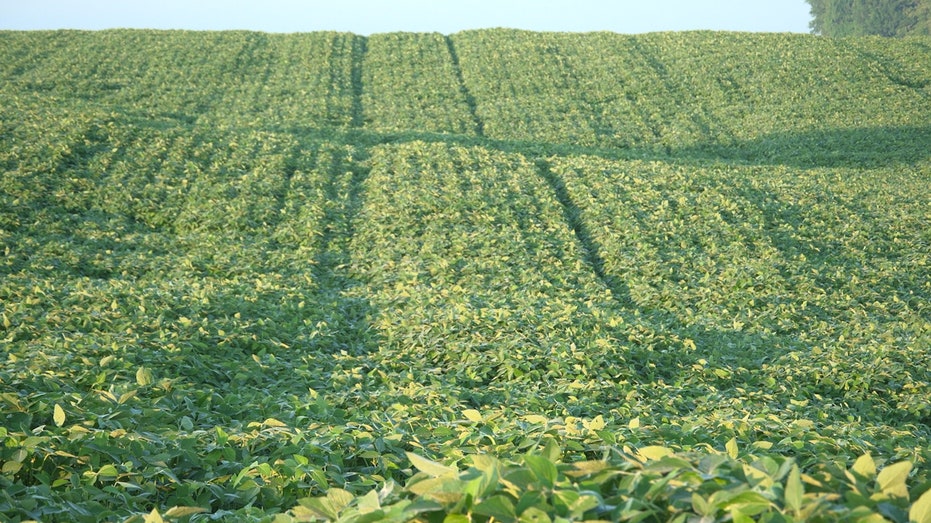
Barry Alexander is a seventh-generation farmer in Cadiz, Kentucky. Soybeans account for about half of the crops grown at Cundiff Farms during the summer.
TRUMP DECLARES FOOD SUPPLY EMERGENCY, SUSPENDS TARIFFS ON KEY FERTILIZER IMPORTS
Alexander said he has not lost farmland to urban development, but he has noticed farms shrinking as cities expand into rural areas.
“Land is going away every day, and that’s one commodity they’re not going to reproduce,” Alexander said. “Whenever that land is gone and gone out of production, it’s no longer going to be farmland. The population is increasing, and the demand for food is increasing.”
TRUMP DEFENDS TARIFFS AHEAD OF LOOMING MIDTERMS, SAYS THEY HAVE MADE THE US ‘A FORTUNE’
Kentucky’s soybean harvest begins in September and runs through October. A portion of Alexander’s crop is shipped overseas, including to China, the top customer for U.S. soybeans.
“A lot of our product is actually for export. We put it on the rivers here nearby, and it ships down to the Gulf of Mexico to New Orleans and is actually shipped overseas,” Alexander said.

In 2025, China agreed to purchase 25 million metric tons of U.S. soybeans annually. The country initially failed to meet that benchmark as President Donald Trump’s trade war escalated.
The American Soybean Association said China later began purchasing more American soybeans as prices rallied.
“We’re on a positive trend, but we still got a long ways to go to completely hit the targets that they’ve agreed to,” Caleb Ragland, chairman of the American Soybean Association, said. “Obviously, we’ve had some bumps in the road in our relationship, but they’re too big of a customer to just write off.”
Ragland said China consumes more soy than any other country combined. Much of it is processed into soy protein used to raise pigs and poultry, two major staples in Chinese cuisine.
“They need our soy protein to help grow and produce their meat protein that their people want,” Ragland said.
TRUMP DECLARES FOOD SUPPLY EMERGENCY, SUSPENDS TARIFFS ON KEY FERTILIZER IMPORTS
China currently has a 10% tariff on all U.S. agricultural products. Chinese officials have discussed removing the tariff, which Ragland said would make American soybeans more competitive with South American producers.
South America remains a major force in the global soybean trade.
“I mean, that’s been a 10% tax that has made us uncompetitive when it comes to the cash price that the Chinese customers would pay for soybeans,” Ragland said.
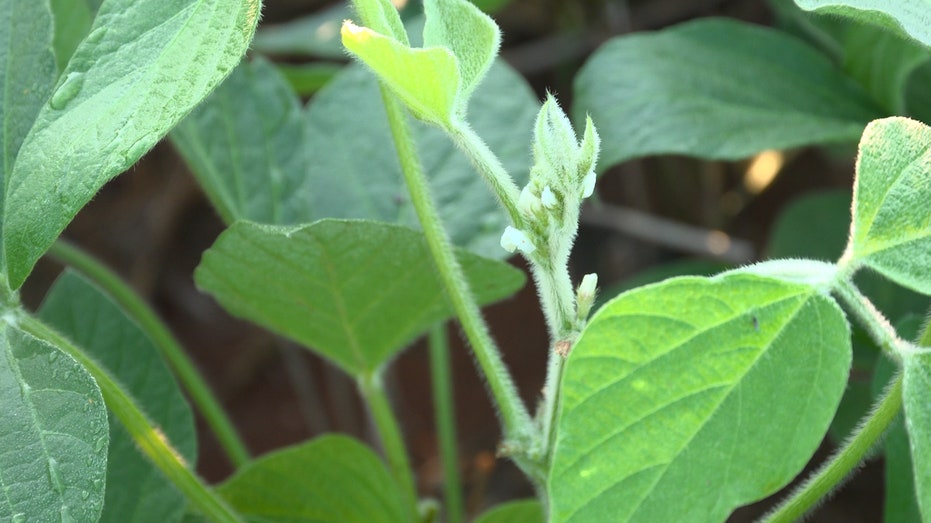
A portion of soybean profits goes into a checkoff program that the United Soybean Board uses to research and develop new markets for the crop.
Since the Soy Checkoff was established under the 1990 Farm Bill, annual American soybean production has increased from 2 billion bushels to about 4 billion bushels.
“We treat every acre individually, and we treat it to produce the most it possibly can,” Alexander said.
Brent Gatton, chairman of the United Soybean Board, said checkoff investments have helped open new fuel markets and supported U.S. soybean trade with more than 90 countries.
“Because of the checkoff, there are thousands of new uses we get. Soy oil is in Goodyear tires and artificial turf, and soy foam is a great success story,” Gatton said.
Farmers hope this year’s higher soy prices mixed with larger purchases could help them at least break even after years of high input costs.
Read the full article here


