


The slowing U.S. labor market is presenting more challenges for a housing sector facing affordability challenges, with would-be homebuyers struggling to save amid persistent inflation and a less dynamic employment outlook.
The Bureau of Labor Statistics on Friday released the jobs report for July, which showed the U.S. economy unexpectedly shed 23,000 jobs for the month, when economists had expected a gain of around 80,000. While the unemployment rate declined to 4.1%, it was due to a decline in the labor force participation rate as more individuals exited the workforce.
“The labor market is really the underpinning of the housing market,” Realtor.com Senior Economist Joel Berner told FOX Business in an interview. “When people don’t feel confident about their jobs and their income, they’re not very likely to make a huge purchase like buying a home.”
Berner said the July jobs report was a “pretty rough report” between the economy losing jobs on net for the month with wages growing at a slower pace than inflation.
US ECONOMY UNEXPECTEDLY SHED JOBS IN JULY
“This is not a great recipe for the housing market,” Berner added. “Not only does it affect people’s confidence, but it affects how much they’re able to save for their down payments.”
He noted the decline in the labor force participation rate and suggested that could lead to “slower job growth, slower wage growth, less competition from workers to get those higher wages.
“That just means more of the same of what we’ve been talking about — that wages will grow slower than inflation and people will struggle to save, and then struggle to buy homes,” he added.
MORTGAGE RATES HIT HIGHEST LEVEL IN NEARLY A YEAR

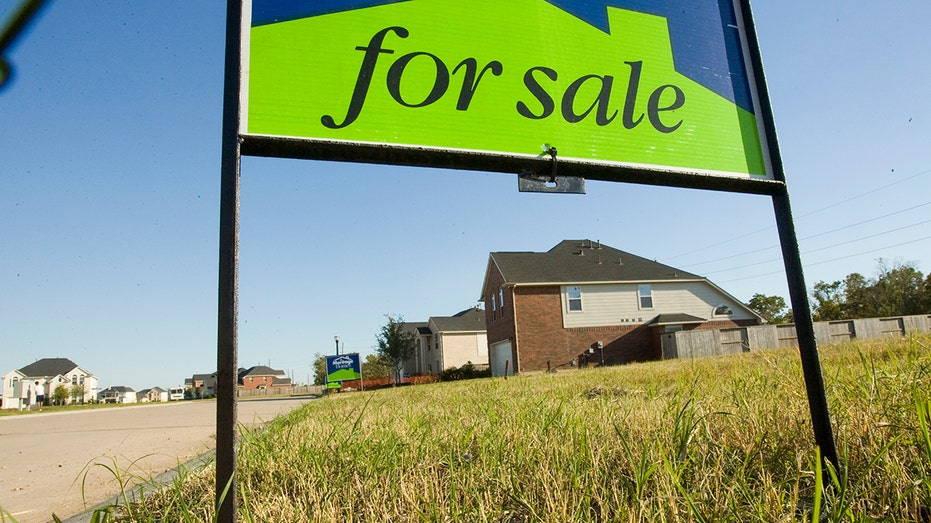
Relief on the affordability front is also unlikely to arrive for prospective homebuyers in the near term because mortgage rates have trended higher in recent weeks and are likely to remain around their current levels through the end of the year.
“In this high mortgage rate environment — mortgage rates just jumped to their highest point in the year — it’s kind of a double whammy for first-time homebuyers especially,” Berner said.
“They’re not able to save as much for a down payment, and then when they go to buy a home, they have to finance more of their purchase at higher rates, so the affordability squeeze is really coming from all angles,” he added.
FED’S HAMMACK SAYS MULTIPLE RATE HIKES MAY BE NEEDED TO TAME INFLATION
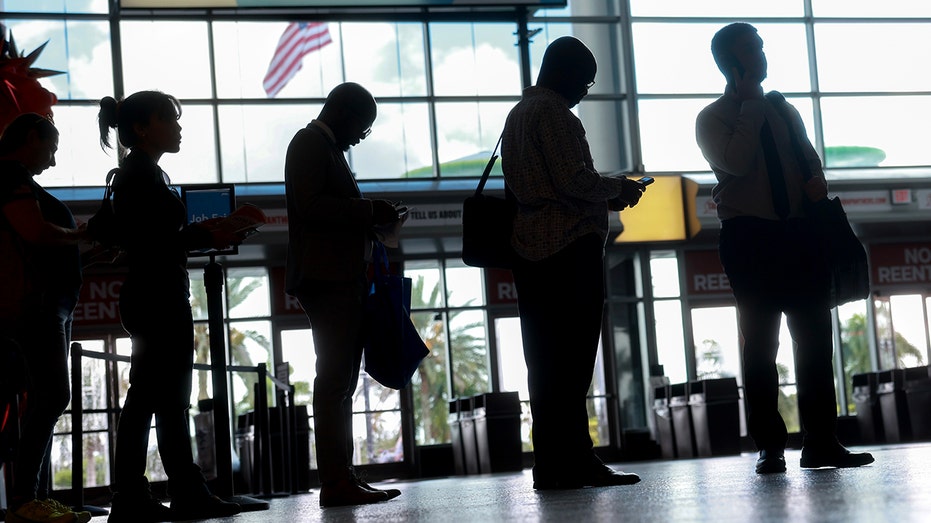
Berner said he sees the higher mortgage rate environment persisting through the end of the year since the Federal Reserve appears more likely to hike interest rates than cut amid elevated inflation despite the slower labor market.
“I think the mortgage rate environment that we’re currently living in is about where we’ll be for the remainder of the year,” he said, adding that the softness in the market is likely to persist.
“We’re really seeing a slowdown in terms of listing prices this year, a little bit higher sales activity than last year, because buyers and sellers are kind of meeting in the middle at a better pace than they were in the last couple of years,” Berner said.
“But this high mortgage rate environment just means more tepid demand from potential homebuyers, and that means more falling prices and potentially fewer listings coming onto the market as well, because sellers are looking around saying, ‘I don’t know if I can sell my home for a price that I want,’ and just deciding to forego doing that,” he said.
Read the full article here


