

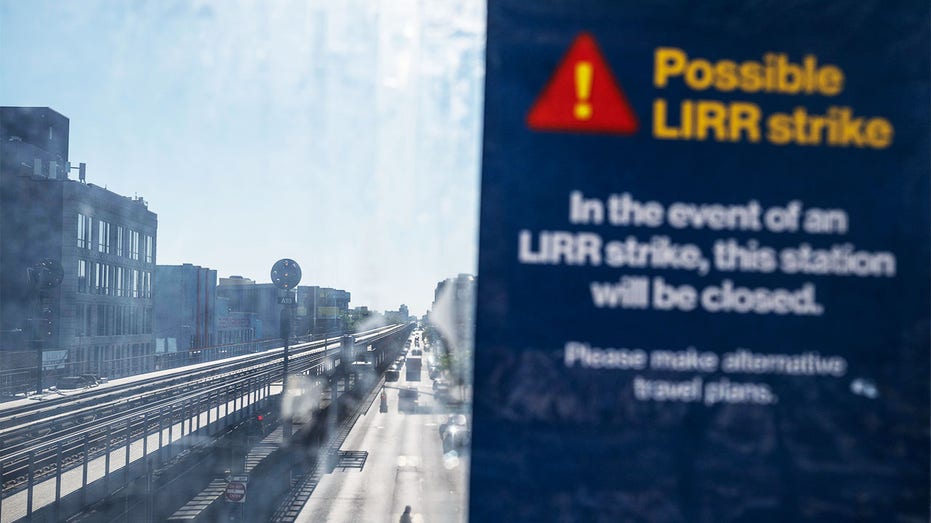
Thousands of Long Island Rail Road workers are officially on strike as of midnight Saturday, effectively shutting down the nation’s busiest commuter railroad in its first strike in more than three decades and threatening major economic disruption across the New York region ahead of Memorial Day travel.
The strike halted service for roughly 300,000 daily riders after last-minute contract negotiations between the Metropolitan Transportation Authority and a coalition of five rail unions failed to produce a wage agreement.
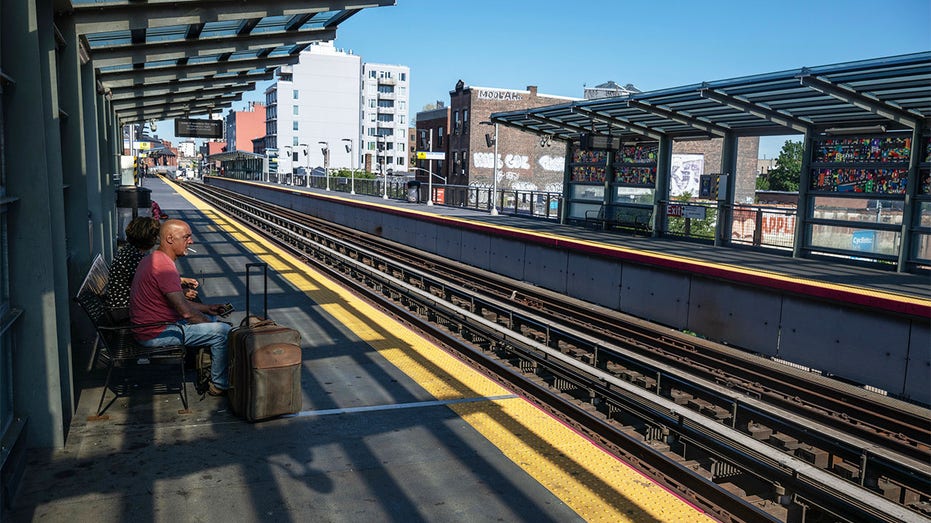
The MTA confirmed Saturday that all LIRR service was suspended and warned there is “no substitute” for the railroad, urging commuters to work remotely if possible as officials brace for severe congestion and delays throughout the metropolitan region.
New York State Comptroller Thomas DiNapoli’s office estimated the strike could cost the regional economy up to $61 million per day in lost economic activity, as commuters scramble for alternatives and businesses prepare for disruptions.
GEN Z IS SINGLE-HANDEDLY BRINGING AMERICA’S SHOPPING MALLS BACK TO LIFE
The labor action marks the first Long Island Rail Road strike since 1994. Union leaders said workers involved in the coalition have gone more than three years without raises while negotiating a new labor agreement.
“This strike would not have happened if the MTA and LIRR offered our members the reasonable terms the government recommended multiple times. But management refused,” Mark Wallace, president of the Brotherhood of Locomotive Engineers and Trainmen and the Teamsters Rail Conference, said in a statement.
NYC REAL ESTATE TITAN COMPARES ‘TAX THE RICH’ SLOGAN TO ‘DISGUSTING RACIAL SLURS’ AMID MAMDANI CLASH
“We hope LIRR gets serious soon to avoid further unnecessary disruptions for hundreds of thousands of New Yorkers. They know where to find us when they’re ready: on the streets.”
MTA officials defended their bargaining position, arguing the unions were demanding wage increases that could ultimately drive up fares and strain the transit system’s finances.
MTA Chair and CEO Janno Lieber said the agency “cannot responsibly make a deal that implodes MTA’s budget” and warned taxpayers and riders could ultimately bear the cost of larger wage increases.
Lieber also accused union leaders of planning to strike regardless of the MTA’s offers, saying the latest proposal gave workers “everything they said they wanted in terms of pay.”
New York Gov. Kathy Hochul criticized the strike as “reckless,” warning it could hurt commuters, businesses and the broader regional economy. Hochul, who is seeking reelection later this year, said the unions’ demands could force fare hikes and higher taxes for Long Islanders.
President Donald Trump also weighed in on the dispute, blaming Hochul for allowing the strike to occur.
“If you can’t solve it, let me know, and I’ll show you how to properly get things done,” Trump wrote on Truth Social.
The standoff underscores growing pressure facing public transit systems nationwide as labor unions push for higher wages while transit agencies continue grappling with post-pandemic budget pressures and shifting commuting patterns.
CLICK HERE TO GET FOX BUSINESS ON THE GO
Transit officials have not indicated when negotiations could resume or how long the strike may continue as commuters across the New York area seek alternative transportation options.
Read the full article here


