


Weil, Gotshal & Manges, the storied law firm that handled Enron and Lehman Brothers, among other high-profile clients, is moving toward dissolution after nearly a century in business, despite generating more than $2 billion in annual revenue.
A Weil spokesperson told FOX Business that the firm’s leadership has recommended an orderly wind-down, with partners expected to vote on the proposal in the coming days.
The proposed closure would bring an end to one of the country’s best-known corporate law firms, which employs approximately 1,200 lawyers worldwide and has handled some of the largest bankruptcies in U.S. history.
“Following a careful review of strategic alternatives, the Firm’s Management Committee has recommended to the partnership that the Firm pursue an orderly wind-down. The partners are expected to vote in the coming days,” the spokesperson said. “During the wind-down process over the coming months, the Firm will continue serving clients with the dedication and excellence that have defined it since its founding and will remain committed to supporting its colleagues.”

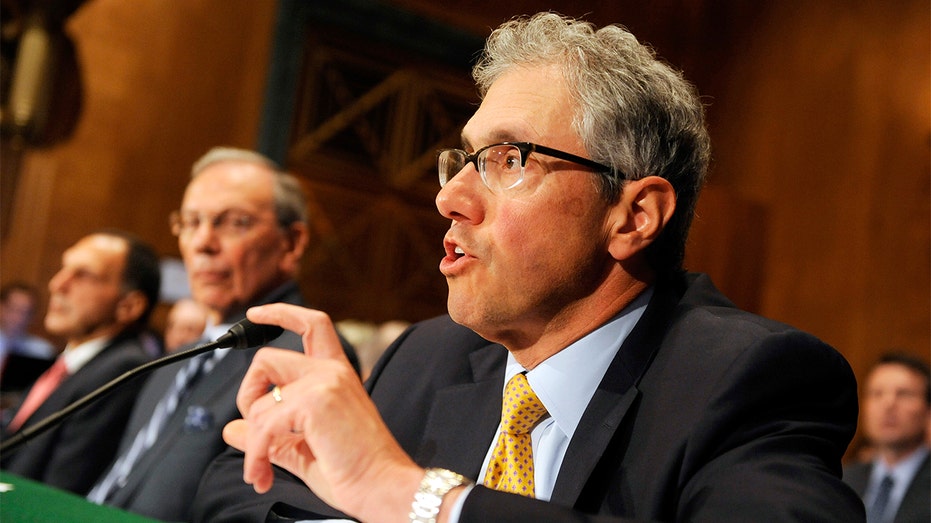
Founded in 1931, the New York-based firm operates offices around the world and has played a major role in some of the country’s most consequential corporate restructurings.
The firm’s planned wind-down follows a series of prominent partner departures that placed mounting pressure on the business, Reuters reported.
Weil also explored a potential merger with rival law firm Willkie Farr & Gallagher, but the talks failed to produce an agreement, according to Reuters.

To prepare for a potential closure, the firm has enlisted restructuring adviser AlixPartners to assist with the wind-down, which it intends to complete outside of bankruptcy, Reuters reported, citing a person familiar with the matter.
CLICK HERE TO GET FOX BUSINESS ON THE GO
Weil’s proposed closure would mark one of the most significant collapses in the U.S. legal industry since Dewey & LeBoeuf, another major New York law firm, failed in 2012 amid financial pressures and attorney departures.
Read the full article here


